What's included?
PAS 2035 services
Retrofit coordinators, retrofit assessors, retrofit designers, and the full range of professional services needed for PAS 2035 compliance. This covers energy performance certificates, ventilation surveys, retrofit assessments, project management, and the coordination role that sits at the heart of every funded retrofit programme. PAS 2035 compliance is a condition of grant funding across a wide range of public sector programmes, from the Warm Homes: Social Housing Fund to the Public Sector Decarbonisation Scheme and other funded retrofit routes, wherever domestic-standard buildings are involved. This category gives you a procurement route for the people who plan, coordinate, and quality-assure your programme from initial assessment through to lodgement.
Net zero consultancy
Decarbonisation strategy, stock modelling, energy assessments, architectural design, quantity surveying, and specialist advice on the most cost-effective route to improving your buildings. This covers the analytical and advisory work that tells you what measures to install, in what order, and where the investment will deliver the greatest impact. If you need help turning a net zero target into a practical delivery plan with costed options and phased priorities, this is where you start.
Insulation and fabric improvement
External wall insulation, internal wall insulation, cavity wall insulation, loft insulation, underfloor insulation, window and door replacements, draught-proofing, cladding, and ventilation systems. These are the fabric-first measures that reduce heat loss before you upgrade heating systems. Across most retrofit programmes, whether housing, education, or healthcare, insulation is typically the single largest category of work and the foundation that everything else builds on. This category covers supply and installation of all fabric measures.
Low-carbon heating and technology installation
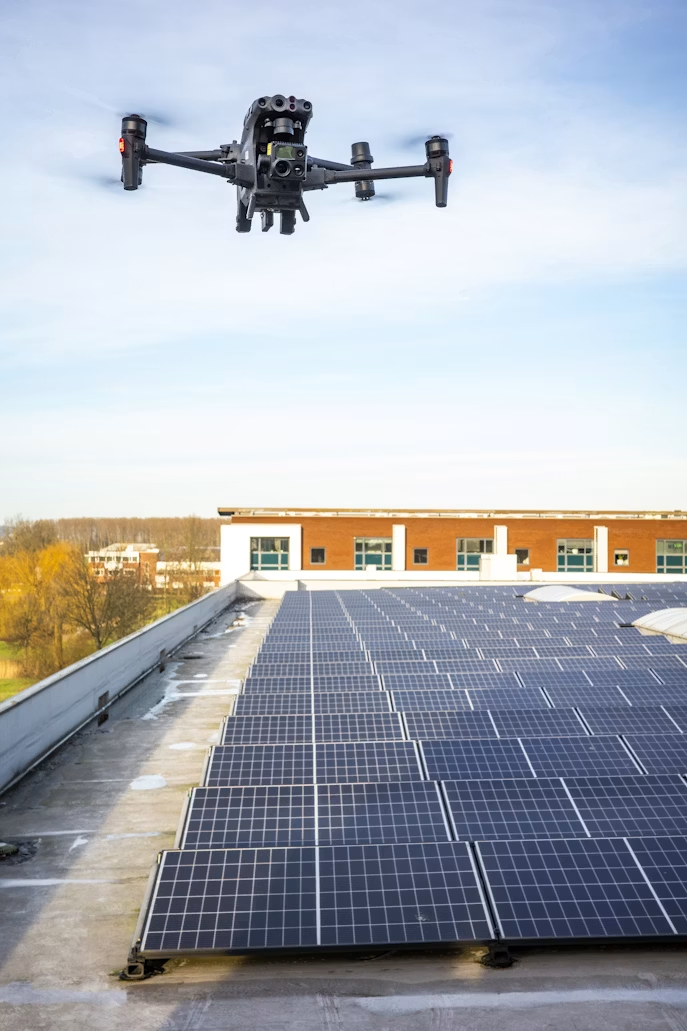
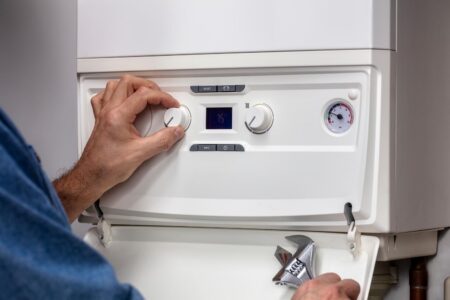
Air source heat pumps, ground source heat pumps, solar PV, solar thermal, battery storage, district heating connections, mechanical ventilation with heat recovery, smart heating controls, and the decommissioning of old fossil fuel systems. This category covers the installation and ongoing maintenance of the technologies that replace gas boilers and generate renewable energy. It also includes the electrical and plumbing work associated with heating system changeovers, which is often where the complexity and cost sit in a retrofit programme.
Whole-property retrofit
End-to-end retrofit projects delivered by a single contractor, combining insulation, heating upgrades, ventilation, window and door replacements, solar, and smart controls in a coordinated programme. This is for organisations that want one supplier to deliver everything across a property, managing the interaction between different measures and ensuring the whole-house approach that PAS 2035 requires. It avoids the coordination risk of appointing multiple specialists for different elements of the same project.
District heating and shared energy infrastructure
District heating networks, communal heating systems, biomass, solar thermal district heating, heat recovery, and shared energy infrastructure serving multiple properties or buildings. This covers concept development, design, installation, operations, maintenance, and training for energy systems that work at a neighbourhood or estate level rather than property by property. For organisations with dense estates, whether housing, hospital campuses, or educational sites, district infrastructure can be more cost-effective than individual property measures.
Retrofit materials supply
Insulation products, heat pumps, solar panels, electric heaters, boilers, radiators, thermostatic radiator valves, HVAC equipment, windows, doors, storage heaters, water cylinders, ventilation systems, and general building materials for retrofit works. This category gives you a procurement route for the products themselves, separate from installation. It is useful if you have in-house teams or existing contractors who will carry out the work but need a compliant supply route for the materials.
Monitoring and digital technology
BIM modelling, energy performance measurement, data aggregation, asset tagging, compliance software, document management, and the digital tools that help you track, measure, and evidence your retrofit programme. Post-installation monitoring is increasingly required by funders and regulators to demonstrate that measures are delivering the energy savings predicted at design stage. This category also covers IT development and consultancy for organisations building their own retrofit data capability.
Retrofit training
Training for your in-house teams and external contractors in retrofit skills, PAS 2035 roles, health and safety, and the practical competencies needed to deliver decarbonisation works to the required standard. The retrofit skills gap is one of the sector’s biggest constraints. This category covers everything from specialist technical training through to workforce development programmes and quality assurance benchmarking, helping you build internal capability rather than depending entirely on external supply chains.