Inprova
2 Olympic Way, Woolstone Grange Avenue
Birchwood, Warrington, WA2 OYL
A reactive repair doesn’t wait for a procurement timetable, and a vacant building sitting empty costs you money every week it stays that way. Whatever’s driving the pressure, whether that’s a building defect that needs specialist attention, a maintenance backlog across a stretched estate, or a site standing empty pending its next use, you need fast, compliant access to contractors you can trust. Inprova’s responsive repairs framework connects you with 75 vetted contractors across 11 lots, covering reactive repairs, dedicated disrepair remediation, vacant property refurbishment, cleaning, security, and pest control, with transparent benchmarked pricing and full visibility through Quantum once your contract is live.
Every organisation managing buildings knows this pressure. Reactive repair volumes are climbing, building defects demand urgent, time-bound action, empty sites need to be turned around fast, and budgets and contractor capacity are stretched at the same time as the regulatory bar keeps rising. Whether you’re trying to hit first-time fix targets with a reliable supply chain, mobilise remediation work before a funding window closes, or defend every contract decision to your board or regulator, the challenge is the same: you need fast, compliant access to contractors you can trust.
This framework has been developed following extensive engagement with contracting authorities and contractors across the public sector. It provides a compliant, flexible route to market for responsive repairs, vacant property refurbishment, specialist disrepair works, cleaning, security, and pest control, through a combination of national providers, regional contractors, and local specialists.
It’s built around how these services are actually delivered in practice, so you can improve service delivery, strengthen operational resilience, and achieve long-term value without adding complexity to an already demanding workload. With the option to award directly or through mini competition, you can tailor the procurement process to your budget, timelines, and other priorities.
The pressure behind this looks different depending on where you sit. Local authorities are managing reactive repairs and vacant civic buildings across some of the broadest and often oldest estates in the public sector. Schools, colleges, and NHS trusts are managing reactive maintenance and building defects, such as water ingress or structural issues, across buildings that directly affect the people who use them every day. Blue light services and central government bodies are managing surplus or ageing estate that needs fast, compliant attention. Housing providers, among others, are managing their own statutory timescales for hazards like damp and mould. In every case, the underlying need is the same: a fast, compliant way to get the right contractor on site without running a bespoke tender for every job.

This framework covers reactive repairs, disrepair remediation, vacant property services, and specialist support, delivered through 11 lots. The detail below sets out the specific services available:
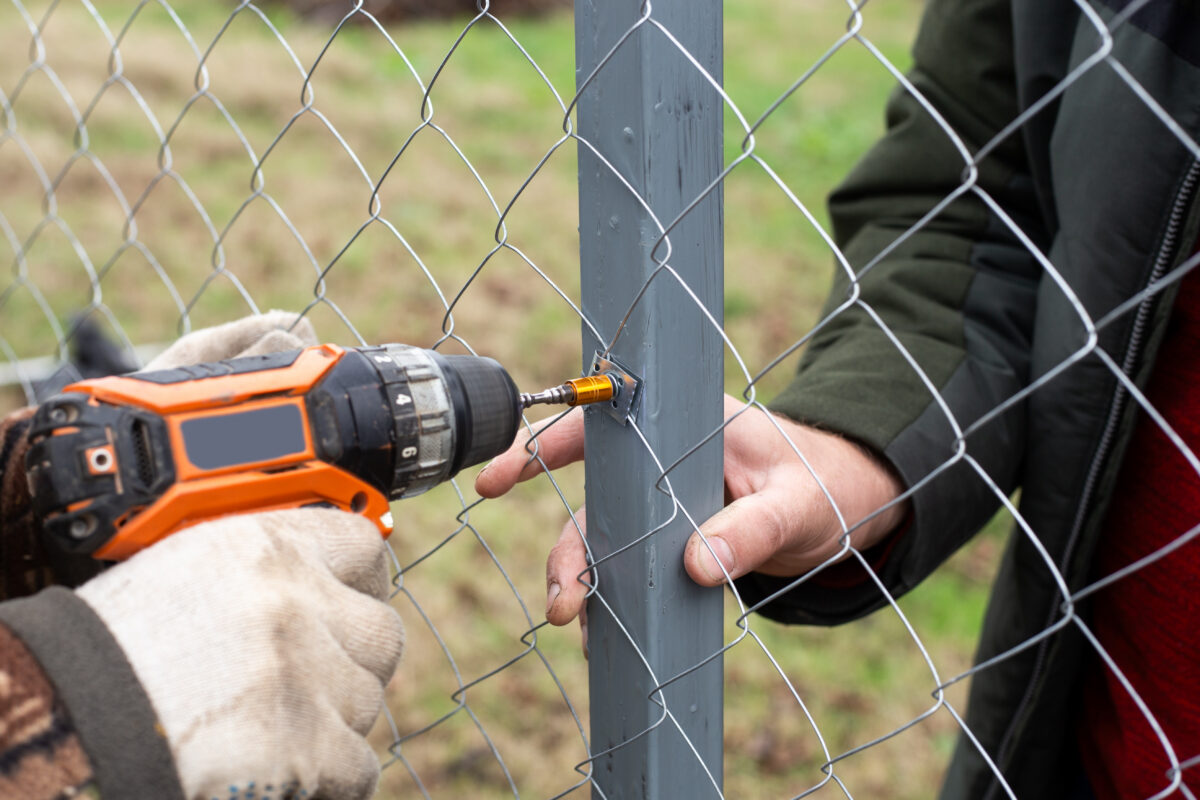
Responsive repairs and vacant property refurbishment: These combined lots are for organisations that want a single contractor managing both reactive maintenance and refurbishment of unoccupied buildings. Services include general internal and external building repairs, roofing, fencing and gate repairs, plumbing and drainage repairs, gas and electrical safety inspection, boiler and heating system installation, repairs and testing, electrical testing, repairs and upgrades, window and door repairs, and cleaning and disposal of waste.
Vacant property refurbishment:Â These lots cover dedicated refurbishment of unoccupied buildings, for when this needs to be procured separately from your responsive repairs programme. Services include kitchen and bathroom repairs, plastering, painting and decorating, joinery and metal works, roofing works and fencing repairs, gas and electrical safety inspection and testing, boiler and heating system installation, repairs and testing, electrical repairs and upgrades, and general building repairs and drainage.
Responsive repairs: These standalone lots cover reactive and responsive maintenance for organisations that procure repairs separately from vacant property work. Services include general internal and external building repairs, plumbing, brickwork and electrical remedial works, window and door repairs, roofing and drainage repairs, flooring repairs including internal and external paving, and plastering, painting and decorating.
Disrepair works: These dedicated lots cover remedial works addressing building defects or failures that cause damage, deterioration, or health and safety risk, procured separately from general repairs. This covers investigation and rectification of damp and mould, water ingress, structural defects, defective roofs, windows or doors, plumbing and drainage failures, and internal fabric damage.
Vacant property cleaning and clearing: This national lot covers the clearance, cleaning, and preparation of vacant buildings to a safe standard, ready for handover to refurbishment teams or for reuse. Services include removal and lawful disposal of waste, furniture and debris, internal and external cleaning, garden and outbuilding clearance, and associated works to make buildings safe.
Security services: This national lot covers services to secure buildings and protect people, assets, and property, particularly where buildings are vacant, damaged, or at risk. Services include emergency boarding and securing, lock changes, temporary fencing, alarm installation or isolation, and works to make buildings safe following break-ins, vandalism, fire, or structural damage.
Pest control: This national lot covers services to investigate, treat, and prevent pest infestations across residential and non-residential buildings. Services include inspection and diagnosis, eradication measures, proofing works to prevent recurrence, and safe disposal.
Dedicated disrepair works provision: This is one of the most significant features of the framework. Rather than bundling disrepair into broader repair categories, standalone lots have been created specifically for remedial works. That means you can access contractors with genuine specialist experience in damp and mould remediation, water ingress, structural defects, and drainage failures, work that’s reactive and often time-sensitive because it arises from statutory obligations, complaints, or legal claims. This matters wherever a building defect creates risk to the people who use it, whether that’s a school dealing with water ingress, a council building with structural concerns, or a housing provider managing statutory timescales under Awaab’s Law. With disrepair volumes rising across the public sector, having a dedicated, compliant route for this work matters.

Review the list of suppliers available on this framework. See lots section below for suppliers per lot.
Displayed in ranked order, see buyers guide for more information
Inprova works with you from the point you first identify a need, through procurement, and into ongoing contract delivery. We recommend getting in touch early so we can help you define your requirements and identify the most appropriate procurement route. You can award contracts through two routes: direct award or mini-competition. Contracts can be awarded for any duration necessary to deliver your requirements.
Our support does not stop when a contract is awarded. We work alongside you through evaluation, award, and ongoing contract management, holding suppliers to account, monitoring performance, and making sure your contract delivers what it promised. What that support looks like in practice depends on how you procured, so here's what to expect after a direct award and after a mini-competition.
Our procurement specialists can help you plan a compliant route to market, review your current project or identify the right solution for your organisation.
Sorry, we couldn’t find any team members that match your current filters.

All public bodies as defined by the Public Contract Regulations 2015 and the Public Contract (Scotland) regulations 2015