Inprova
2 Olympic Way, Woolstone Grange Avenue
Birchwood, Warrington, WA2 OYL
The regulatory pressure on building compliance has never been higher. The Control of Asbestos Regulations require active management of every building constructed before 2000. LOLER demands six-monthly thorough examination of passenger lifts. ACOP L8 sets strict legionella risk assessment cycles. The IET Wiring Regulations set periodic electrical testing standards. And the way you procure these services is itself under increasing scrutiny. Whether you are managing a school estate, a hospital campus, a police custody suite, or a council office portfolio, the compliance obligations are the same, and the consequences of falling behind are severe.
Building compliance is not a category where you can afford to fall behind. The regulatory environment has tightened significantly, and the consequences of non-compliance are more severe than they have ever been.
The detail of these obligations varies by nation, though the underlying duty of care is consistent across the UK. Asbestos, lift safety, and legionella regulations apply in equivalent form in England, Scotland, Wales, and Northern Ireland, each enforced by that nation’s own health and safety regulator. Procurement transparency requirements sit under the Procurement Act 2023 in England, Wales, and Northern Ireland, with Scotland’s own legislation carrying equivalent expectations. And sector regulators add their own layer of scrutiny, CQC, Ofsted, and equivalent bodies elsewhere in the UK, all expecting to see that compliance is actively managed, not just documented after the fact.
The challenge for most procurement and compliance teams is not understanding what needs to be done. It is finding and appointing the right contractors quickly enough to maintain the testing and servicing cycles that regulations demand, with the confidence that the contractors are properly accredited and the procurement is defensible. Running standalone procurements for each compliance category is slow and resource-intensive, and it creates fragmented supply chains that are difficult to manage. For multi-academy trusts managing dozens of school buildings, NHS trusts running continuous compliance programmes across hospital campuses, councils maintaining diverse property portfolios through budget pressures, blue light organisations keeping operationally critical buildings safe, and defence estate managers maintaining compliance across the MOD’s property portfolio alongside JSP-specific requirements and security clearance constraints, the procurement overhead of managing compliance contractors is a significant drain on already stretched teams. This framework was designed to address that pressure.
Available to any public sector organisation in the United Kingdom. It covers the full range of building compliance services across buildings of all types and risk profiles. Whether you need a single asbestos survey or a multi-year compliance programme across hundreds of buildings, the supply chain and the procurement route are already in place.

Asbestos surveys, testing, and removal
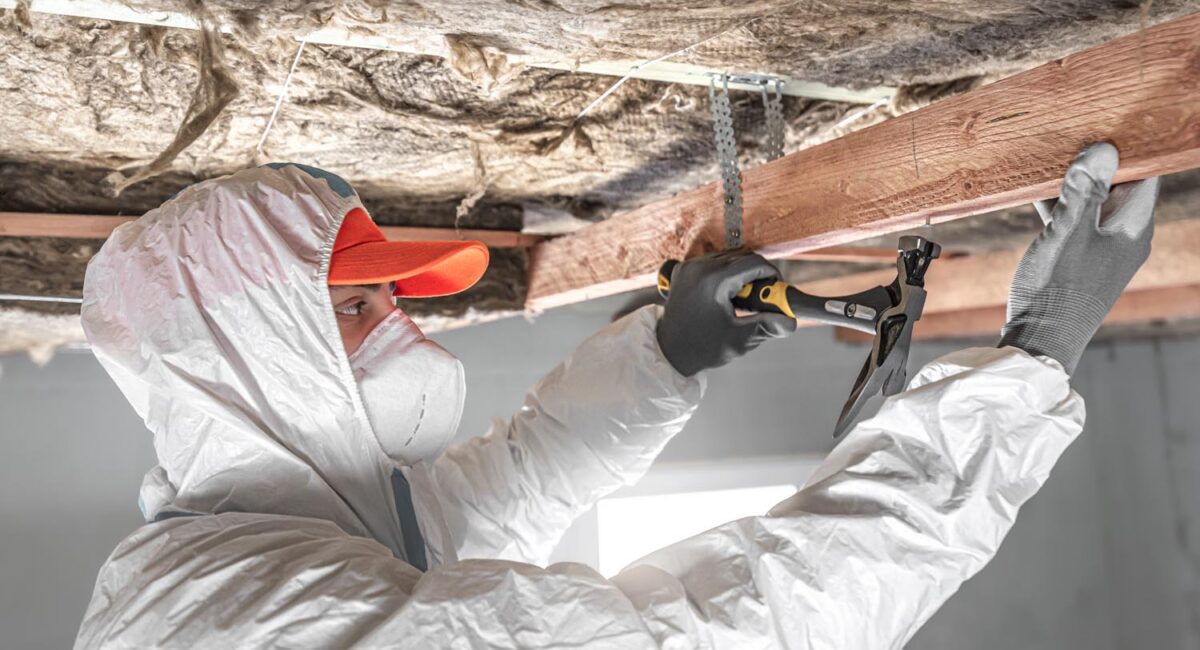
If you need to find out whether asbestos is present in your buildings, this is where you start. The framework covers management surveys, refurbishment and demolition surveys, bulk sampling, and air monitoring through specialist surveying contractors. If the survey confirms asbestos that needs removing, licensed removal contractors on the framework handle the full process: enclosure, removal, disposal, and air clearance testing. For organisations that want a single contractor to manage the whole process from survey through to removal, there is a fully managed asbestos solution that wraps everything into one appointment.
Damp and mould treatment and surveying
Damp and mould has become one of the most scrutinised compliance categories in the sector. This part of the framework covers specialist mould treatment, damp treatment, and the diagnostic surveying that identifies the root cause of the problem. You can procure each service separately, appointing a surveyor to diagnose the issue and a treatment contractor to fix it, or you can appoint a single contractor through the fully managed solution to handle the whole process. The fully managed route is particularly useful when you are dealing with high volumes of damp and mould cases and want a single point of accountability from initial assessment to completed remediation.
Electrical testing and security systems
Periodic electrical inspections (EICRs), fixed wiring testing, and all associated electrical compliance works sit under this part of the framework. It also covers electrical security systems: door entry, access control, CCTV, and electronic access points, including installation, servicing, and ongoing maintenance. If you need the full picture covered by a single contractor, the fully managed electrical compliance solution combines both testing and security into one appointment. Suppliers on this lot hold the relevant registrations for electrical testing and installation.
Lift servicing and refurbishment
Servicing, maintenance, and refurbishment of passenger lifts, cargo lifts, platform lifts, and stairlifts. LOLER requires that lifts carrying people are thoroughly examined at least every six months, and routine servicing keeps them operational between examinations. This lot covers both the ongoing maintenance contracts and the refurbishment works that ageing lift equipment eventually requires. The supply chain includes contractors with national coverage, so organisations managing lifts across multiple sites can appoint through a single procurement.
Legionella testing and treatment
Risk assessments, water sampling, temperature monitoring, and specialist treatment for legionella across hot and cold water systems, air conditioning, cooling towers, spa pools, humidifiers, emergency showers, eye wash stations, and swimming pools. Every building with a water system needs a legionella risk assessment, and the assessment must be reviewed at least every two years. Where the assessment identifies risk, ongoing treatment and monitoring are required. The supply chain covers both the testing and the treatment, so you can procure the complete water hygiene programme through a single framework.


Review the list of suppliers available on this framework. See lots section below for suppliers per lot.

Displayed in ranked order, see buyers guide for more information
Inprova works with you from the point you first identify a need, through procurement, and into ongoing contract delivery. We recommend getting in touch early so we can help you define your requirements and identify the most appropriate procurement route. You can award contracts through two routes: direct award or mini-competition. Contracts can be awarded for any duration necessary to deliver your requirements.
Our support does not stop when a contract is awarded. We work alongside you through evaluation, award, and ongoing contract management, holding suppliers to account, monitoring performance, and making sure your contract delivers what it promised. What that support looks like in practice depends on how you procured, so here's what to expect after a direct award and after a mini-competition.
Our procurement specialists can help you plan a compliant route to market, review your current project or identify the right solution for your organisation.
Sorry, we couldn’t find any team members that match your current filters.
All public bodies as defined by the Public Contract Regulations 2015 and the Public Contract (Scotland) regulations 2015